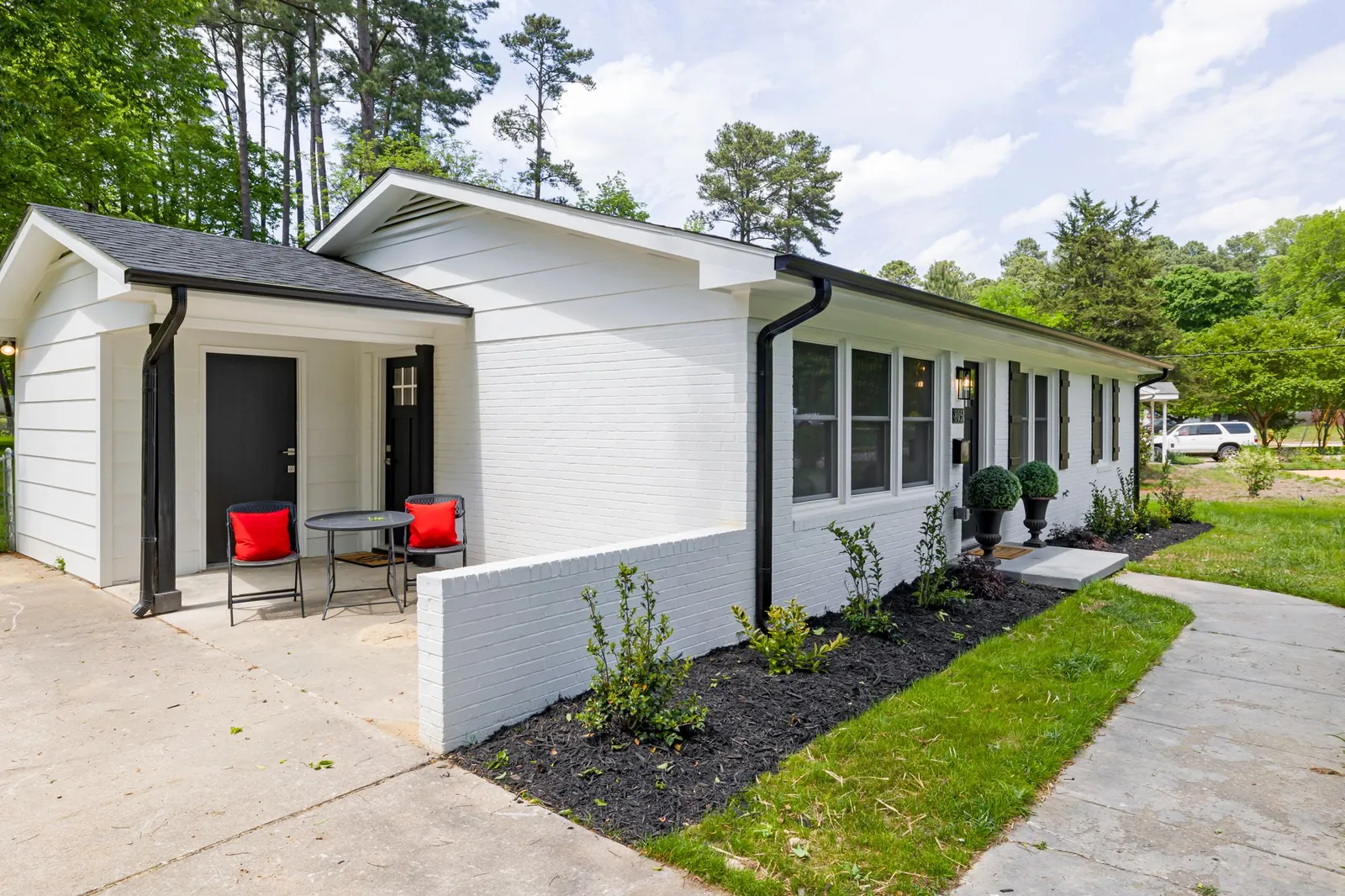
Residential rentals
Single-family rentals, duplexes and small multifamily, condos, and apartment buildings generally follow the 27.5-year residential rental schedule for the building itself.


Services
Titan Cost Seg prepares remote and on-site cost segregation studies, including look-back studies. The study fee is a flat $1,500. On-site visits may involve additional costs, quoted up front.
Property types
The tax recovery period depends on how the property is used. The study documents which costs belong with the building and which may be assigned a shorter class life.
Single-family rentals, duplexes and small multifamily, condos, and apartment buildings generally follow the 27.5-year residential rental schedule for the building itself.
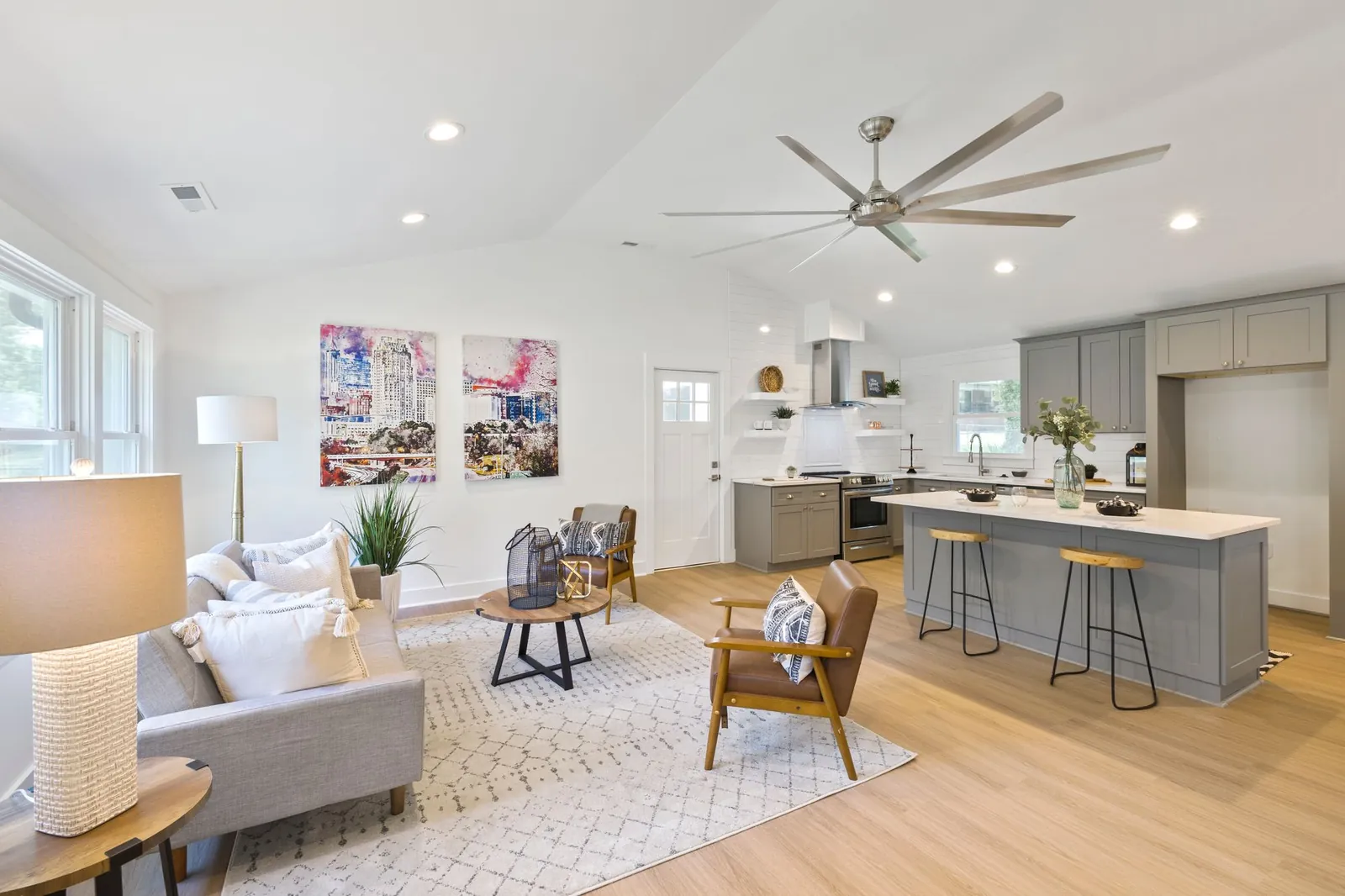
Vacation and short-term rentals can contain the same kinds of shorter-lived components. How you can use the deductions still depends on the property’s use and on your tax situation — a question for your CPA.
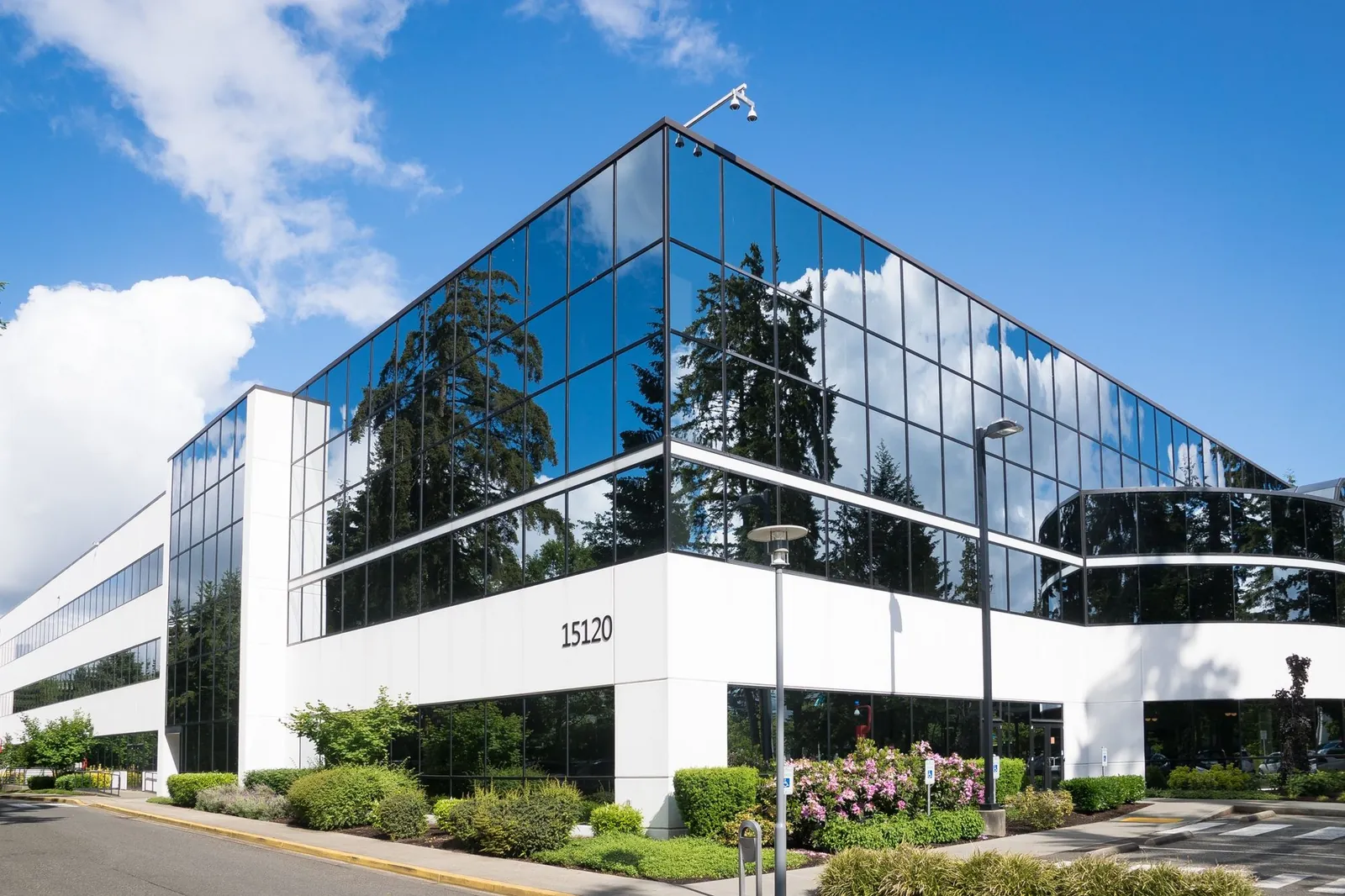
Office, retail, industrial, warehouse, and mixed-use buildings generally use a 39-year recovery period for the structure. Components and land improvements may still qualify for shorter lives.
How the study is done
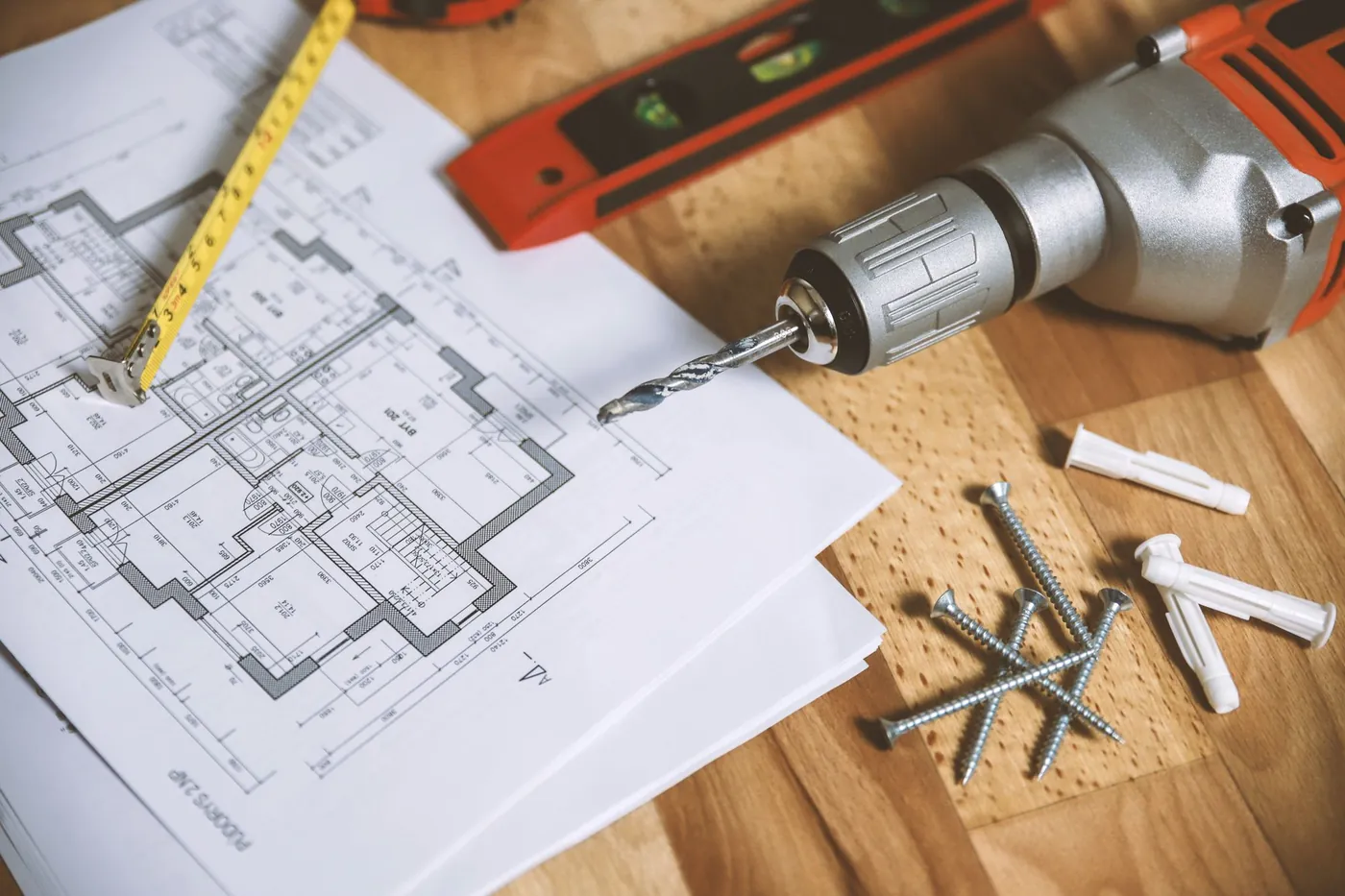
A remote study uses the records and photographs you provide: the closing statement, a depreciation schedule if one exists, construction or renovation invoices, floor plans or appraisals, and a photo set of the interior, exterior, and site improvements.
Desktop studies are often a good fit when documentation is complete and the property can be clearly understood without a walkthrough. The fee is a flat $1,500.

An on-site study includes a property walkthrough in the Dallas–Fort Worth area, plus a review of your records. A visit can be useful for larger or more complex buildings, recently renovated properties, or cases where the file leaves important assets unclear.
The study itself is $1,500. On-site work may involve additional costs, such as travel, quoted up front before work begins. If you are outside the metroplex, a remote study may still be an option.
Look-back studies
If you placed a property in service in a prior tax year and did not have a cost segregation study done at the time, a look-back study may still be possible.
In many cases, missed depreciation can be claimed as a catch-up adjustment in the current tax year by filing Form 3115, Application for Change in Accounting Method, rather than by amending prior-year returns. Whether that automatic method change applies is a determination for your CPA.
We prepare the study and the supporting detail your tax professional can use with that filing. A look-back uses the same $1,500 study fee; if an on-site visit is part of the work, any additional costs are quoted up front.

Bonus depreciation
Bonus depreciation (the additional first-year depreciation deduction under Internal Revenue Code section 168(k)) can apply to qualified property with a recovery period of 20 years or less. The 5-, 7-, and 15-year components identified in a cost segregation study may qualify. The 27.5-year residential rental building or 39-year commercial building structure generally does not, and land is not depreciable.
Under current federal law — the One Big Beautiful Bill Act (Public Law 119-21) and IRS Notice 2026-11 — qualified property that is acquired and placed in service after January 19, 2025, is generally eligible for a permanent 100% bonus depreciation deduction.
Property acquired on or before January 19, 2025, remains on the prior phase-down schedule. For that earlier-acquired property, the bonus depreciation percentage is 20% if the property is placed in service in 2026. A written binding contract can affect the acquisition date, so contract timing matters.
Taxpayers may be able to elect out of bonus depreciation for a class of property. State tax treatment may differ from the federal rule. This summary is general information, not tax advice. Your CPA should apply the current rules to your property and return.